
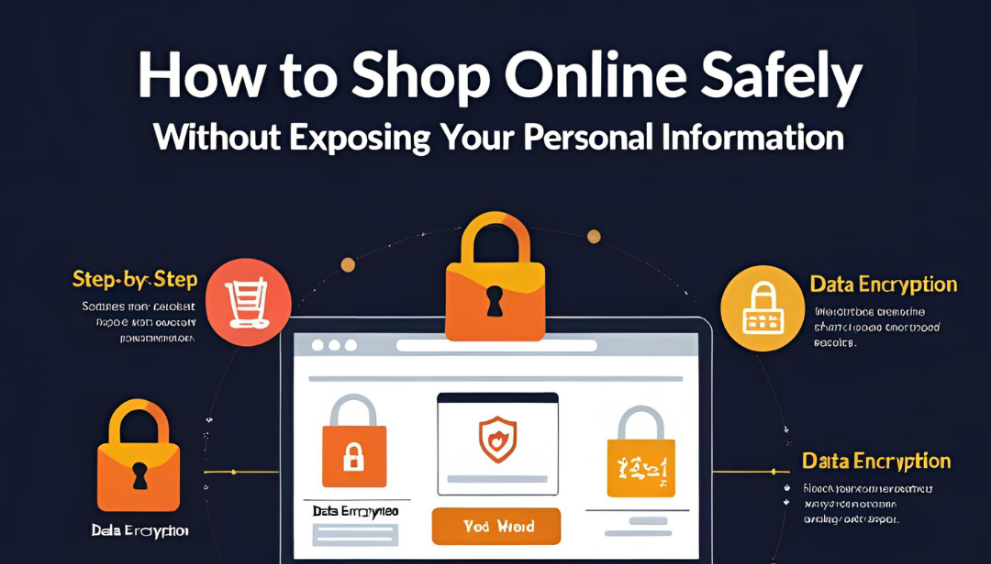
In today’s digital world, online security has become more important than ever. Every day, millions of users log into different platforms for shopping, entertainment, banking, and communication. ultshop However, not all websites are safe, and some operate in legally questionable or outright dangerous environments. Understanding how to protect your accounts and personal information is essential.
This guide will help you understand safe login practices, recognize risky platforms, and improve your overall online security so you can protect yourself from fraud, phishing, and data theft.
Understanding Online Login Risks
Whenever you create an account or log in to a website, you are sharing sensitive information such as your email, username, password, and sometimes even financial data. If the platform is not secure, this information can be exposed or stolen.
Risky platforms often share common characteristics:
- Lack of clear ownership or company information
- Poor website security (no HTTPS encryption)
- Unrealistic offers or suspicious pricing
- No official customer support
- Reports of scams or data leaks online
Websites associated with unknown or underground marketplaces are especially dangerous because they may operate outside legal frameworks and offer no user protection.
Why Security Matters When Logging In
Login credentials are often the first target for hackers. Once someone gains access to your account, they may:
- Steal your personal data
- Access linked payment methods
- Use your identity for fraud
- Sell your information on black markets
- Lock you out of your own account
This is why maintaining strong security habits is critical every time you log in to any platform.
Best Practices for Safe Login
Here are essential safety tips that apply to all online accounts:
1. Use Strong and Unique Passwords
A strong password should:
- Be at least 12 characters long
- Include uppercase and lowercase letters
- Contain numbers and symbols
- Avoid personal information like names or birthdays
Never reuse the same password across multiple sites. If one site is compromised, all your accounts become vulnerable.
2. Enable Two-Factor Authentication (2FA)
Two-factor authentication adds an extra layer of protection. Even if someone steals your password, they still need a second verification step such as:
- A code sent to your phone
- An authentication app like Google Authenticator
- Email verification codes
This significantly reduces the risk of unauthorized access.
3. Avoid Clicking Suspicious Links
Phishing attacks ultshop.mobi often come in the form of fake login pages or emails that look legitimate. Always:
- Check the URL carefully
- Avoid links sent via unknown emails or messages
- Type the website address manually when possible
Fake login pages are designed to steal your credentials.
4. Look for HTTPS Encryption
Secure websites use HTTPS instead of HTTP. The “S” stands for secure and indicates that the connection is encrypted.
Before entering any login details, ensure:
- The URL starts with “https://”
- There is a padlock icon in the browser bar
If these are missing, avoid entering any personal data.
5. Keep Your Devices Secure
Your security is not just about websites—it also depends on your device.
- Keep your operating system updated
- Use antivirus software
- Avoid downloading unknown files or apps
- Use a firewall when possible
Compromised devices can expose login credentials even on safe websites.
Recognizing Unsafe or Suspicious Platforms
Some platforms may appear attractive but are actually unsafe. Be cautious if you notice:
- Promises of “too good to be true” deals
- No clear contact or support information
- Pressure to act quickly or deposit money
- Lack of transparency about services
- Negative reviews or scam warnings online
Many underground or unofficial marketplaces operate without regulation, meaning users have no legal protection if something goes wrong.
What to Do If You Suspect a Compromised Account
If you think your login details have been exposed, act immediately:
- Change your password right away
- Enable two-factor authentication
- Check account activity for unauthorized access
- Log out of all devices
- Contact official support if needed
Quick action can prevent further damage.
The Importance of Digital Awareness
Cybersecurity is not just about tools—it’s also about awareness. Many scams succeed because users are unaware of the risks.
Always ask yourself:
- Do I trust this website?
- Is this platform well-known and verified?
- Am I being pressured to act quickly?
Taking a few seconds to evaluate a situation can save you from serious security issues.
Safe Alternatives to Risky Platforms
Instead of using unknown or suspicious websites, stick to:
- Well-known e-commerce platforms
- Verified financial services
- Official apps from app stores
- Platforms with strong user reviews and transparency
Trusted services invest heavily in security, customer protection, and compliance with laws.
Final Thoughts
Online login security is one of the most important aspects of digital life. While many platforms offer convenience and entertainment, not all of them are safe. Understanding how to recognize risks, protect your credentials, and practice safe browsing habits can significantly reduce your chances of becoming a victim of fraud or cybercrime.
Always prioritize security over convenience. A few extra seconds spent verifying a website or strengthening your password can protect you from major losses in the future.