
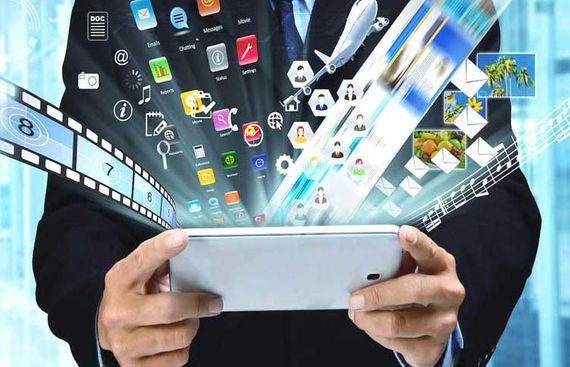
India’s entertainment business used to be measured in box office weekends and TV ratings. Now the real scoreboard sits inside phones: watch time, retention, shares, replays, wallet transactions. It’s louder, faster, more regional, and far more experimental than outsiders tend to assume.
Even a quick glance at how modern “lobby” style platforms are laid out tells a story about where attention is going and how choices get packaged for mobile users. One example is tamasha online casino in india, which shows the familiar playbook: categories upfront, quick browsing, and a design built for short sessions that can easily turn into long ones.
Why India keeps getting bigger in digital entertainment
Three forces keep pushing the market outward, into new cities, new languages, and new formats.
1) Cheap data changed habits, permanently
The price of data rewired behavior. Streaming stopped being a “special treat” and became background noise. A commute could include a live match, a downloaded series, five reels, and a podcast, all before lunch.
2) Smartphones became the primary screen
In many households, the phone is not a second screen. It’s the screen. That matters because mobile UX dictates what wins: simple navigation, big tap targets, fast loading, and content that starts quickly.
3) Payments got frictionless
UPI made paying inside apps feel normal. Subscriptions, one-time rentals, creator tips, microtransactions in games, it’s all a couple taps away. That convenience is growth fuel, but it also pushes platforms to design experiences that gently nudge spending.
OTT in India is no longer “just streaming”
OTT (over-the-top video) started as a new way to watch films and catch up on shows. It’s now a full-on industry that includes originals, sports rights battles, regional pipelines, and ad tech that looks more like performance marketing than classic TV advertising.
Regional language is the growth engine, not an afterthought
A big shift over the last few years is that Hindi and English are not the only “default” lanes anymore. Tamil, Telugu, Malayalam, Kannada, Bengali, Marathi, Punjabi and others aren’t niche categories. They are major markets with distinct tastes.
That pushes platforms to invest in:
- local originals that travel within a region
- dubbing that doesn’t sound robotic
- subtitles that are actually readable on mobile
- marketing that understands local stars and local memes
Live sports brings back appointment viewing
Streaming was supposed to kill “be there at 7 pm” culture. Sports proved otherwise. Cricket in particular still pulls massive real-time audiences, and that changes everything around it: chat, highlights, clips, influencer commentary, and second-screen behavior.
Sports also forces platforms to get serious about infrastructure. If the stream buffers during a key over, users don’t forgive. They uninstall.
Gaming is the other half of the entertainment story
India’s gaming market often gets described as “casual,” but that’s only one slice. The audience is broadening, and so are the business models.
Casual gaming is still the front door
Hyper-casual and casual games thrive because they match mobile life. Quick sessions, light learning curve, instant feedback. They’re built for:
- short breaks
- low storage phones
- inconsistent networks
- low commitment installs
Competitive play is creeping into the mainstream
Esports and competitive gaming aren’t just for hardcore PC audiences anymore. Mobile titles, creators, tournaments, and college communities are making competition feel accessible. It’s entertainment plus identity, which is why it sticks.
Real-money formats sit in a complicated regulatory patchwork
Fantasy sports, skill-based real-money games, and casino-style offerings generate interest, but they also come with legal and responsible-use questions that vary by state and platform structure. Users need to check local rules, understand what they’re signing up for, and treat “easy money” marketing with healthy skepticism.
Creators are building mini studios on their phones
The creator economy is not fluff in India. It’s a distribution system. Many viewers trust creators more than brands, more than critics, sometimes more than platforms themselves.
Creators do three things exceptionally well:
- They speak in the audience’s language, literally and culturally.
- They package entertainment into daily habits.
- They turn content discovery into a relationship.
This is why platforms keep building creator tools: better editing, better monetization, live features, and community mechanics. It’s also why creators keep diversifying across apps. Relying on one algorithm is a risky career plan.
The business model mix is getting more Indian, more practical
The old debate was subscription vs ads. India tends to say: why not both?
Ad-supported is not “cheap,” it’s strategic
Free or low-cost tiers expand reach, especially in price-sensitive segments. But ads have to feel tolerable. Too many interruptions and people leave. Too repetitive and brands lose impact.
Subscriptions work when the value is obvious
Subscriptions perform best when they’re tied to clear benefits: premium sports access, early releases, better quality, offline viewing, family plans that actually make sense.
Microtransactions are normal now
In gaming and interactive entertainment, small purchases are often the main revenue engine. The ethical line is important here. Good platforms make spending transparent and controllable. Bad ones hide the real cost in confusing virtual currencies and constant “limited-time” prompts.
What good mobile entertainment platforms do right in India
Plenty of apps chase users. Fewer build for real conditions: mixed network quality, diverse devices, and wide language preferences. Strong platforms usually share a few traits.
- Fast loading even on average connections
- Smart download options for offline viewing or play
- UPI-friendly payments plus clear receipts and limits
- Language selection that is easy to find, not buried
- Search that handles spelling variations and mixed-language queries
- Customer support that responds like humans, not endless templates
That list sounds basic. It is basic. And it’s still where many platforms stumble.
Connected TVs are quietly reshaping viewing habits
Phones dominate, but connected TVs are rising in urban and semi-urban homes. Fire TV sticks, Android TVs, smart TV apps, they’re making OTT feel closer to old-school family viewing again.
That has two effects:
- Longer sessions, more “lean-back” consumption
- Content choices influenced by whoever holds the remote, which can change genre demand
Platforms that win on mobile but ignore TV UX often hit a ceiling. Big screens require different navigation, different typography, and different recommendation logic.
What’s next: the likely shifts worth watching
India’s digital entertainment market is still in the building phase. A few developments look especially important over the next couple of years.
AI localization will scale regional growth
Dubbing, subtitling, and even voice adaptation are getting cheaper and faster with AI tooling. That can unlock more cross-regional hits, but quality control will separate serious platforms from sloppy ones.
Interactive formats will expand beyond gaming
Live polls, shoppable streams, watch parties, choose-your-path content. Interactivity increases engagement, and engagement is the metric everyone sells to advertisers and investors.
Trust and safety will become a competitive advantage
As digital payments and communities grow, fraud, harassment, and scams follow. Platforms that invest in moderation, verification, and clear user protections will keep audiences longer. “Growth at any cost” is already wearing thin.
Practical tips for users navigating the boom
The market is exciting, but beginners and even experienced users can get burned by bad subscriptions, noisy apps, and accidental spending.
- Set a monthly entertainment budget and stick to it
- Turn off autoplay where possible, it saves time and data
- Use app permission controls, especially location and contacts
- Prefer platforms with clear pricing and purchase confirmations
- Download on Wi-Fi and test offline playback before traveling
None of this is about being cautious for the sake of it. It’s about keeping entertainment fun, not annoying.
The bottom line
India’s digital entertainment market is expanding because it fits daily life: mobile-first, language-diverse, payment-friendly, and built around communities, not just content libraries. The winners will be the platforms that respect real usage patterns, not imagined ones, and the users who do best will be the ones who treat these apps as tools, not as default settings for every spare minute.