
One of the biggest challenges businesses face is inconsistent revenue. Some months bring strong sales and rapid growth, while other months feel unpredictable and unstable. This inconsistency creates stress, weakens long-term planning, and limits scalability.
The root cause is often not the product, pricing, or market demand. It is the absence of a structured sales pipeline.
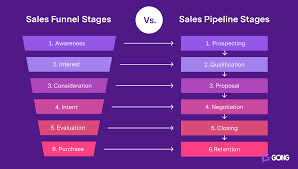
A sales pipeline is the system that moves potential customers from initial awareness to final purchase. Without a clear pipeline, businesses rely on random opportunities instead of predictable processes.
The companies that consistently grow are not necessarily the ones with the best products. They are often the ones with the most reliable systems for generating and converting leads.
This principle becomes especially important for entrepreneurs who want to Buy a shelf company in Hong Kong and quickly enter competitive international markets. Having a ready-made corporate structure can accelerate business setup, but sustainable growth still depends on a sales pipeline that consistently produces revenue.
This guide explains how to build a sales pipeline that creates predictable growth and long-term business stability.
Sales teams can use a QR code generator to direct prospects to landing pages, product demos, and appointment booking forms.
What a Sales Pipeline Actually Means
A sales pipeline is the structured journey a potential customer goes through before becoming a paying client.
It begins when someone first becomes aware of your business and continues through qualification, engagement, nurturing, negotiation, and purchase.
Many businesses mistakenly think sales happen randomly. In reality, successful companies design systems that intentionally guide people through buying decisions.
A strong pipeline creates visibility into future revenue and helps businesses forecast growth more accurately.
Without a pipeline, sales become reactive instead of strategic.
Why Most Businesses Struggle With Revenue Consistency
Inconsistent revenue usually comes from inconsistent lead flow.
Many businesses rely heavily on referrals, occasional marketing campaigns, or one-time opportunities.
This creates unpredictable income because there is no reliable system feeding new prospects into the business continuously.
A sales pipeline solves this problem by creating a repeatable process for attracting, nurturing, and converting leads.
Consistency in sales rarely happens by accident. It is built through systems.
The Foundation of Every Sales Pipeline: Understanding Your Customer
Before building a sales pipeline, you must understand who your ideal customer actually is.
This goes beyond demographics. You need to understand problems, motivations, fears, and buying behavior.
Why do they need your product or service?
What challenges are they trying to solve?
What objections might stop them from buying?
The better you understand your audience, the easier it becomes to design messaging and offers that move them through the pipeline.
Without this understanding, even strong marketing efforts often fail to convert effectively.
Step One: Create a Consistent Lead Generation System
A sales pipeline begins with lead generation.
You cannot generate consistent revenue without a consistent flow of potential customers entering the system.
Lead generation can come from content marketing, advertising, SEO, referrals, partnerships, social media, or outbound outreach.
The key is consistency.
Many businesses fail because they market aggressively only when sales decline. This reactive approach creates unstable growth.
A healthy pipeline requires continuous lead generation, even during strong sales periods.
Step Two: Qualify Leads Properly
Not every lead is a good fit.
One of the biggest mistakes businesses make is treating all prospects equally.
Lead qualification helps determine whether a potential customer actually has the need, budget, and readiness to buy.
This prevents wasted time and improves conversion efficiency.
Qualified leads move through the pipeline faster because they are genuinely aligned with your offer.
Poor qualification creates bottlenecks and drains resources.
Step Three: Build Trust Before Selling
Modern buyers rarely make immediate decisions.
They research, compare options, and evaluate credibility before purchasing.
This means trust-building is a critical stage of the pipeline.
Content, testimonials, case studies, and consistent communication help establish authority and confidence.
Businesses that focus only on immediate sales often struggle because they ignore relationship development.
Trust accelerates conversion.
Step Four: Use Follow-Up Systems Effectively
Most sales do not happen after the first interaction.
Many businesses lose revenue simply because they fail to follow up consistently.
A strong sales pipeline includes automated and structured follow-up systems.
This ensures leads remain engaged over time.
Follow-ups should provide value rather than pressure. The goal is to maintain relevance until the prospect is ready to make a decision.
Consistency in follow-up significantly increases conversion rates.
Step Five: Track Every Stage of the Pipeline
A pipeline cannot improve if it is invisible.
Businesses need clear visibility into every stage of the customer journey.
This includes tracking lead sources, conversion rates, response times, and sales outcomes.
Data reveals where prospects are dropping off and where improvements are needed.
Without tracking, businesses rely on assumptions instead of measurable performance.
Why Conversion Rates Matter More Than Lead Volume
Many businesses focus only on increasing traffic or lead numbers.
However, lead quality and conversion efficiency are often more important than volume alone.
A smaller number of highly qualified leads can generate more revenue than a large number of unqualified prospects.
Improving conversion rates increases profitability without increasing marketing costs.
This is one of the most efficient ways to scale revenue.
Step Six: Create Predictable Sales Processes
Top-performing sales teams rely on repeatable systems, not improvisation.
A predictable process ensures that every lead experiences a consistent journey.
This includes how leads are contacted, how meetings are conducted, how proposals are presented, and how objections are handled.
Consistency improves efficiency and makes results easier to forecast.
Businesses without structured processes often struggle to scale because outcomes depend too heavily on individual effort.
Step Seven: Align Marketing and Sales Teams
One of the biggest causes of pipeline inefficiency is misalignment between marketing and sales.
Marketing generates leads, but sales teams often complain about lead quality.
Sales teams close deals, but marketing may lack feedback about what converts best.
A strong pipeline requires collaboration between both functions.
When marketing and sales work together, lead quality improves and conversion rates increase.
Alignment creates smoother customer journeys.
Step Eight: Use Automation Without Losing Human Connection
Automation is valuable for scaling pipelines, especially in lead tracking and follow-up.
However, automation should support relationships, not replace them.
Customers still value genuine communication and personalized attention.
The best pipelines combine automation for efficiency with human interaction for trust-building.
Balance is essential.
Step Nine: Focus on Long-Term Relationships, Not One-Time Sales
Businesses that focus only on immediate transactions often struggle with unstable revenue.
A stronger approach is relationship-based selling.
When customers trust your business, they are more likely to return, refer others, and purchase additional services.
This increases customer lifetime value and stabilizes revenue over time.
Retention becomes a key part of pipeline success.
Why Structure Matters for Revenue Growth
As businesses expand internationally, operational structure becomes increasingly important.
Entrepreneurs who choose to Buy a shelf company in Hong Kong often do so to accelerate market entry, improve credibility, and streamline global operations.
However, even with a ready-made company structure, growth still depends on reliable sales systems.
A legal structure can support expansion, but a sales pipeline is what sustains revenue.
Without pipeline consistency, scaling becomes difficult regardless of corporate setup.
Common Sales Pipeline Mistakes
One of the most common mistakes is relying too heavily on a single lead source.
If one traffic channel disappears, revenue can collapse.
Another mistake is neglecting follow-up or failing to qualify leads properly.
Many businesses also focus too much on closing deals and not enough on nurturing relationships.
These mistakes create instability and reduce long-term scalability.
How to Measure Pipeline Health
A healthy pipeline has consistent lead flow, strong conversion rates, and predictable movement through each stage.
Warning signs include declining engagement, low conversion rates, and inconsistent lead quality.
Businesses should regularly review pipeline performance to identify weaknesses early.
Continuous optimization is essential for maintaining predictable revenue growth.
Final Reflection
A sales pipeline is not just a sales tool. It is the foundation of predictable business growth.
Without a structured pipeline, revenue becomes inconsistent and difficult to scale.
With the right systems, businesses can create steady lead flow, improve conversions, and generate reliable income over time.
For entrepreneurs who want to Buy a shelf company in Hong Kong, having the right business structure can support expansion, but sustainable success ultimately depends on building a pipeline that consistently turns prospects into customers.
In the end, revenue consistency is not created by luck. It is created by systems.
FAQs
What is a sales pipeline?
A sales pipeline is the structured process that guides potential customers from awareness to purchase.
Why is a sales pipeline important?
It creates predictable revenue by organizing lead generation, nurturing, and conversion processes.
How do businesses generate leads for a pipeline?
Lead generation can come from content marketing, SEO, advertising, referrals, social media, and outreach campaigns.
What is lead qualification?
Lead qualification is the process of identifying whether a prospect is a good fit for your product or service.
Why do many sales pipelines fail?
Pipelines often fail because of inconsistent lead flow, poor follow-up, and lack of process tracking.
How does automation help a sales pipeline?
Automation improves efficiency by managing follow-ups, lead tracking, and repetitive communication tasks.
Why is customer retention important in a sales pipeline?
Retention increases customer lifetime value and creates more stable long-term revenue.
Why would entrepreneurs Buy a shelf company in Hong Kong?
They often choose this option to accelerate business setup, improve credibility, and support international operations while building scalable revenue systems.
You should also read: TechAiTech