
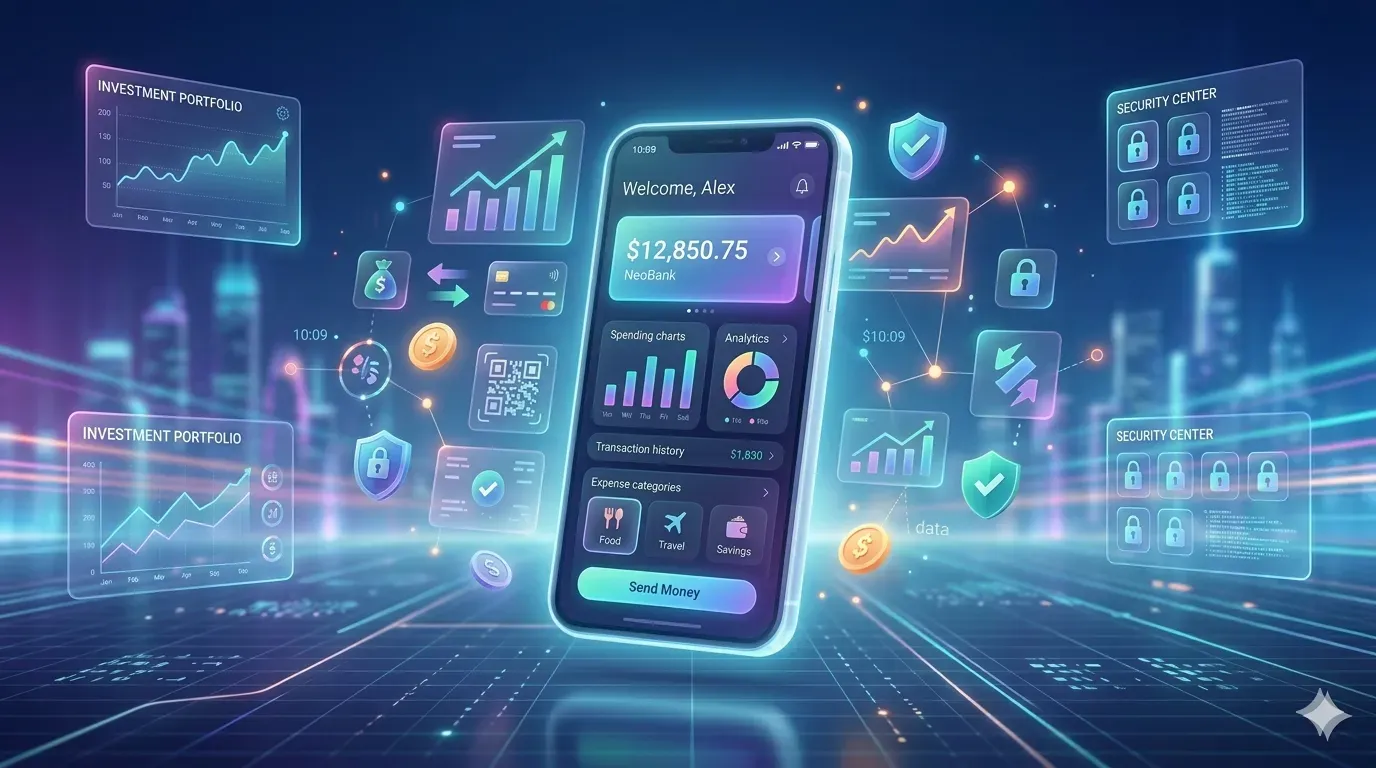
As digital commerce continues to evolve, online transactions have become an essential part of everyday life. From shopping and subscription services to online banking and digital entertainment, ultshop consumers rely heavily on internet-based payment systems. With this growing dependence comes an increased need for security, privacy, and trust in online financial activities. This is where discussions around platforms like Ultclub become relevant, as users seek to understand how secure online transactions work and how they can protect themselves in an increasingly connected world.
In 2026, cybersecurity remains a top priority for businesses and consumers alike. Understanding the principles behind secure online transactions can help users make smarter decisions when sharing personal and financial information online. This guide explains the key aspects of online transaction security, the technologies involved, and best practices for staying protected.
What Is Ultclub?
Ultclub is a term that has appeared in various online discussions related to digital transactions, online services, and internet security topics. When exploring any platform or online service, users should focus on understanding how their data is handled, what security measures are in place, and whether the platform follows recognized cybersecurity standards.
Rather than relying solely on marketing claims, informed users evaluate online services based on transparency, security features, privacy policies, and overall reputation.
In today’s digital environment, understanding these factors is essential for protecting sensitive information and ensuring safe online experiences.
The Importance of Secure Online Transactions
Every time a user makes a purchase online, transfers money, or enters payment details, sensitive information is transmitted across networks.
This information may include:
- Credit card numbers
- Debit card details
- Bank account information
- Personal identification data
- Login credentials
- Billing addresses
Without proper security measures, cybercriminals may attempt to intercept, steal, or misuse this information.
Secure online transaction systems are designed to reduce these risks and provide a safer environment for users and businesses.
How Online Transaction Security Works
Modern transaction security relies on multiple layers of protection working together to safeguard information.
Encryption Technology
Encryption remains one of the most important security tools used in online transactions.
When data is encrypted:
- Information is converted into coded text.
- Unauthorized parties cannot easily read the data.
- Sensitive information remains protected during transmission.
Most reputable websites use HTTPS protocols and SSL/TLS encryption to secure communications between users and servers.
Before entering payment information online, users should always verify that a website uses secure encryption technology.
Tokenization
Tokenization is another important security feature used in modern payment systems.
Instead of storing actual card information, the system replaces sensitive data with unique tokens.
Benefits of tokenization include:
- Reduced exposure of financial data
- Lower risk of data breaches
- Enhanced payment security
- Safer storage of customer information
Many payment processors and digital wallets rely on tokenization to improve transaction security.
Multi-Factor Authentication (MFA)
Multi-factor authentication has become increasingly common in 2026.
MFA requires users to verify their identity using multiple methods, such as:
- Passwords
- Mobile verification codes
- Authentication apps
- Biometric scans
Even if a password is compromised, additional verification layers make unauthorized access significantly more difficult.
Common Online Security Threats
Understanding potential threats helps users recognize risks and take preventive action.
Phishing Attacks
Phishing remains one of the most common forms of cybercrime.
Attackers ultclub often send fraudulent emails or messages that appear legitimate. Their goal is to trick users into revealing:
- Passwords
- Banking information
- Payment details
- Personal information
Users should carefully verify the authenticity of emails, websites, and messages before sharing sensitive information.
Data Breaches
A data breach occurs when unauthorized individuals gain access to confidential information stored by an organization.
Data breaches may expose:
- User accounts
- Financial records
- Contact information
- Login credentials
Choosing services with strong security policies can help reduce the risks associated with data breaches.
Identity Theft
Identity theft occurs when criminals use stolen personal information to impersonate someone else.
Potential consequences include:
- Unauthorized purchases
- Fraudulent loans
- Account takeovers
- Financial losses
Monitoring financial accounts regularly can help detect suspicious activity early.
Malware and Spyware
Malicious software can infect computers and mobile devices through unsafe downloads, infected websites, or fraudulent attachments.
Some malware programs are specifically designed to capture:
- Login credentials
- Payment information
- Banking details
Using reputable antivirus software and keeping devices updated can help minimize these risks.
Security Trends Shaping Online Transactions in 2026
Technology continues to improve online security measures, making digital transactions safer than ever before.
Biometric Authentication
Biometric technologies are becoming increasingly popular.
Examples include:
- Fingerprint scanning
- Facial recognition
- Voice authentication
These methods provide additional security while improving user convenience.
Artificial Intelligence Security Systems
Artificial intelligence now plays a major role in fraud prevention.
AI-powered systems can:
- Detect unusual account activity
- Monitor transaction patterns
- Identify potential threats
- Prevent fraudulent transactions in real time
These advanced systems help financial institutions respond quickly to emerging risks.
Behavioral Analytics
Behavioral analytics examines how users normally interact with websites and applications.
The system may analyze:
- Typing patterns
- Device usage
- Login locations
- Navigation behavior
Unusual activity can trigger security alerts and additional verification requirements.
Secure Digital Wallets
Digital wallets continue to grow in popularity due to their convenience and enhanced security features.
Many digital wallet providers offer:
- Encryption
- Tokenization
- Biometric authentication
- Fraud monitoring
These features make digital wallets an attractive option for online payments.
Best Practices for Safe Online Transactions
Regardless of the platform being used, users should follow essential security practices.
Use Strong Passwords
Strong passwords remain one of the simplest and most effective security measures.
A secure password should:
- Be unique
- Contain letters, numbers, and symbols
- Avoid personal information
- Be changed periodically
Password managers can help users maintain strong credentials across multiple accounts.
Enable Multi-Factor Authentication
Whenever available, MFA should be activated.
This additional layer of security significantly reduces the likelihood of unauthorized account access.
Verify Website Security
Before making online payments, users should:
- Check for HTTPS connections
- Review website legitimacy
- Confirm security certificates
- Avoid suspicious links
A few seconds of verification can prevent significant security issues.
Monitor Financial Activity
Regularly reviewing account statements helps identify unauthorized transactions quickly.
Users should immediately report suspicious activity to their financial institutions.
Keep Software Updated
Software updates often include critical security patches.
Maintaining updated:
- Operating systems
- Browsers
- Security software
- Mobile applications
helps protect devices against newly discovered vulnerabilities.
Building Trust in the Digital Economy
As online transactions become increasingly integrated into daily life, trust remains a critical factor in digital commerce.
Consumers expect:
- Secure payment systems
- Transparent privacy practices
- Reliable customer support
- Responsible data handling
Businesses that prioritize security are more likely to build long-term relationships with customers and maintain positive reputations.
Platforms discussed under topics such as Ultclub often highlight the broader importance of understanding transaction security, cybersecurity awareness, and responsible online behavior.
Conclusion
Understanding secure online transactions is more important than ever in 2026. As digital payments continue to replace traditional methods, users must stay informed about the technologies and practices that protect their financial information.
Topics surrounding Ultclub serve as a reminder that security should always be a priority when engaging with online platforms. By understanding encryption, tokenization, multi-factor authentication, and emerging cybersecurity trends, consumers can make safer decisions and reduce their exposure to online threats.
The future of digital commerce depends on trust, transparency, and strong security practices. By following recommended safety measures and staying informed about evolving threats, users can confidently participate in the growing digital economy while protecting their personal and financial information.