
Menu videos now allow restaurants to promote their food, beyond just a printed menu and still photo. Motion shows texture, preparation, plating, and atmosphere in seconds. The restaurants can share these videos on social media, websites, and digital menu boards. AI-assisted creation helps cut down on repetitive editing tasks and streamline the content creation process. Pippit is a restaurant visual marketing tool that offers automated generation, editing controls, and export features.
Why Menu Videos Matter More Than Static Food Images
Static images can convey appearance, and movement can convey texture, movement, steam, pouring, and preparation. Selected food images can be transformed into a cohesive viewing experience in no time with an AI movie. When opening scenes include signature dishes, short clips are more likely to grab attention. Movement also helps to energize menu presentations and establish a stronger visual hierarchy. These videos can be used for campaigns throughout social feeds, websites, promotions and digital menus. The use of consistent motion graphics, typography and pacing can help to reinforce a restaurant’s visual identity. Food videos are shareable and can prompt viewers to save a dish, tag their friends or visit menus.
Planning Restaurant Menu Videos Before AI Generation
Pippit receives clear inputs through good planning. It also creates more cohesive menu displays. Begin with signature dishes that are the restaurant’s most appealing visually. Organize appetizers, mains, desserts, beverages, and specials into logical groups. Take clear photos or videos of food that have good lighting and clean backgrounds. Specify brand colors, fonts, placement of brand logos, and visual mood prior to generation. For social feeds, go for the shorter version, and for websites or digital displays, go for the longer version. A story studio can be helpful in setting up dishes in a planned sequence prior to production. Clear planning helps to avoid overcrowded scenes and unnecessary cuts.
AI Features That Speed Up Restaurant Menu Video Creation
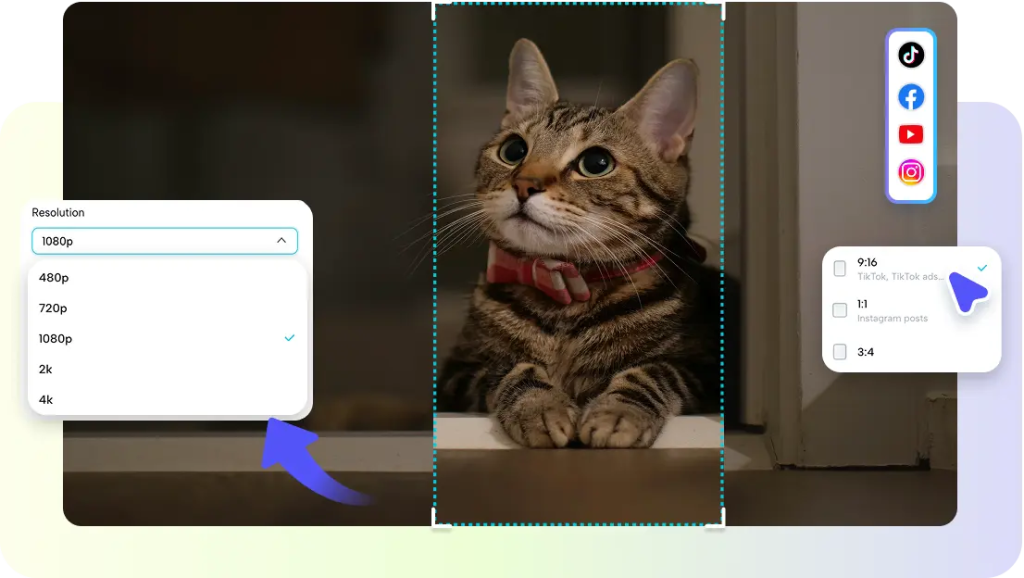
Pippit automates the production process and provides practical editing tools to minimize manual production tasks. One-click generation can convert prompts and uploaded media to structured menu videos. Automatic scene organization assists in organizing dishes based on provided content and creative direction. AI transitions link scenes together without having to place a transition between each clip manually. Smart captions can display dish names, descriptions, prices, and promotional messages in readable positioning. By exporting to supported destinations at high resolution, you can ensure that food details are preserved. Auto-crop can adjust compositions to different formats for platforms while retaining important subjects. These features make Pippit helpful in the case of restaurants that have to make frequent promotional updates. A food ad maker workflow can also help with the promotion of food content that is not a typical menu showcase.
Steps to Design Menu Videos for Restaurants Fast with AI Movie Maker
Step 1: Create your restaurant menu video
- Sign up for Pippit using your Google, TikTok, or Facebook account info.
- Open the “More” tab from the left vertical menu bar and select “Video generator”.
- Choose an AI model like Dreamina Seedance 1.0, Dreamina Seedance 2.0, Dreamina Seedance 2.0 Fast, Dreamina Seedance 2.0 Mini, or Dreamina Seedance 2.5.
- Add a detailed prompt describing food items, restaurant style, camera angles, transitions, and effects.
- Select video length, language, subtitles, and aspect ratio.
- Click “+” to upload food images, clips, or references from your device, phone, Dropbox, or a link. You can also use available assets.
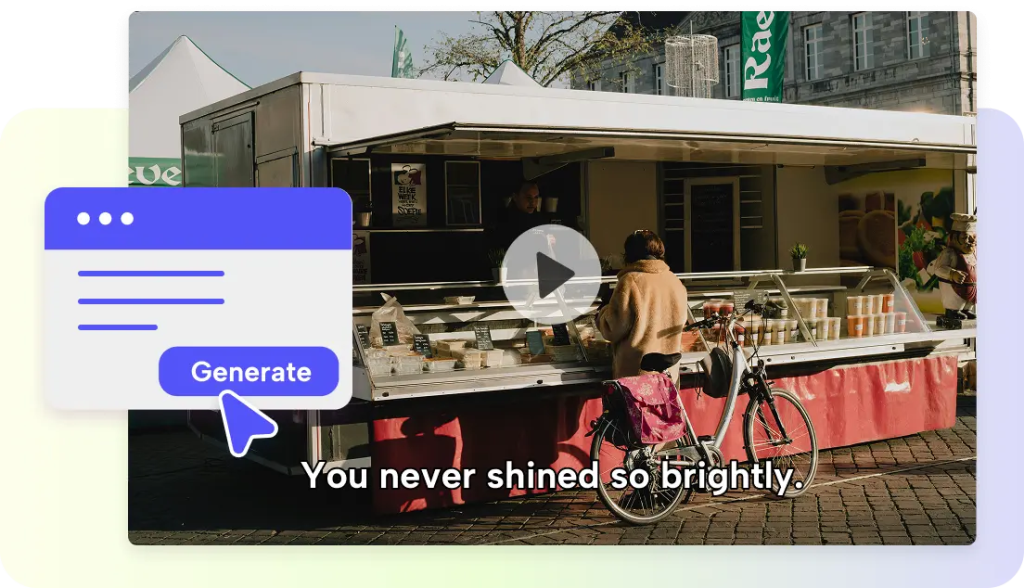
- Click “Generate” to create your menu video.
Step 2: Generate the menu video
- After clicking “Generate”, Pippit’s AI video generator creates a restaurant video using your prompt and reference media.
- The AI manages transitions, pacing, captions, avatars, voice, lyrics, and visual enhancements.
- You receive a draft video for review.
Step 3: Edit and export your video
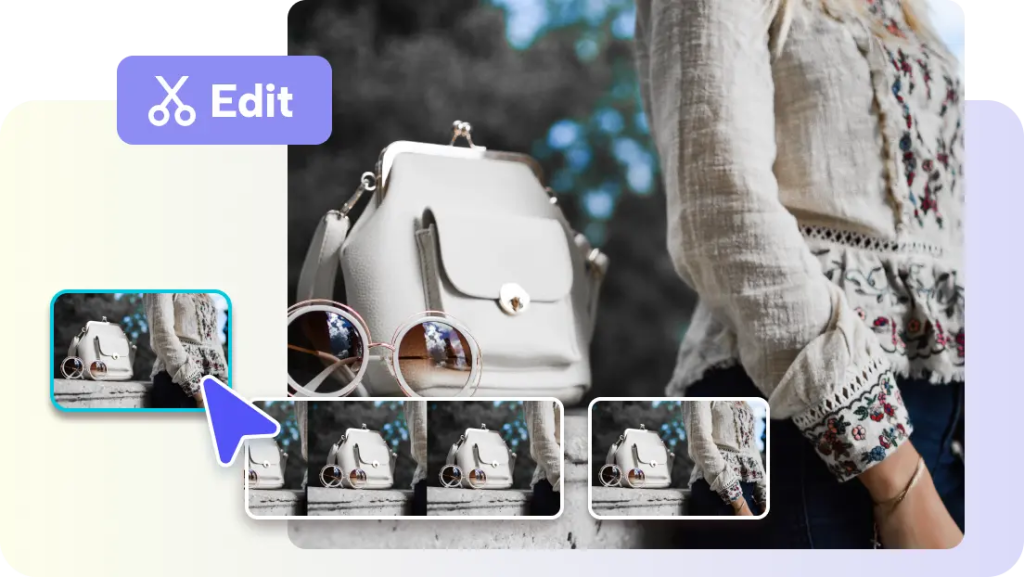
- Click the “Download” tab at the top right corner to save it. Select “Regenerate” for a new version or click “Edit more” below the video for customization.
- Edit captions, add text, and adjust size, color, alignment, filters, and effects.
- Add background music, remove backgrounds, and refine visuals.
- Click “Export” when finished.
- Select “Publish” for TikTok, Instagram, or Facebook sharing, or choose “Download” with your preferred format, resolution, frame rate, and quality.
Creative Elements That Make Restaurant Menu Videos Stand Out
Dynamic food close-ups should show crisp food, sauces, toppings, steam, and plating. Smooth ingredient transitions can help tie preparation steps together without them coming across as abrupt. Price displays need to be readable and not obscure critical food information. Seasonal highlights can help to highlight limited-time menu items, festive menus, and new combinations. Branded typography ensures dish names, prices and calls to action are visually consistent. The background music should complement the restaurant ambiance and strike a balance with the verbal components. These elements can all collide and work in harmony in a single streamlined sequence with Pippit’s editing tools.
Best Practices for Organizing Menu Content Visually
- Kick off with the signature specials, and highlight the bestsellers to create instant interest.
- Organize similar items together (appetizers, mains, desserts, drinks).
- Emphasize time-limited promotions to make changes in seasonal menus time-sensitive.
- Use uniform fonts and colors to enhance restaurant identification.
- Keep scenes short to maintain momentum of the viewer and prevent repetition.
- Conduct with restaurant identity – i.e., logo and brand recall.
Editing Enhancements That Improve Restaurant Menu Videos
Adjust scene timing as needed to ensure that each dish is given the proper amount of attention. Don’t unnecessarily slow the sequence. Add natural color to foods without over-coloring. Ingredients may appear inedible if they are not in “realistic” colors. Balance music, voice parts, and background noises for better audio quality. Use motion graphics sparingly to highlight prices, categories, offers, or calls to action. Professional filters can help to harmonize clips shot in varying lighting situations. Adjust resolution and aspect ratio for clarity when publishing. Pippit allows you to make detailed changes after generation. These controls help to polish both visual and sound presentation.
Publishing Restaurant Menu Videos Across Digital Platforms
Menu videos can be used to promote “house specialties” on restaurant websites. Visitors can then get a better visual context when they see detailed menus. Vertical compositions and short captions can be used to show fast food showcases on Instagram Reels. TikTok ads can highlight engaging preparation and plating, along with time-sensitive deals. Menu showcases are available on Facebook Pages along with announcements, promotions, and restaurant updates. YouTube Shorts can be used to extend food content to another discovery channel video app. Digital menu boards are able to feature short dish rotations next to ordering stations. Adapt videos for various publishing needs with Pippit’s auto-crop and export controls. High-resolution output also helps to maintain details if the videos will be viewed on larger screens.
Conclusion
AI streamlines the creation of restaurant menu videos, minimizing tedious editing and effectively managing creative components. Pippit brings automated generation, flexible editing, auto-crop, and high-resolution export all in one workflow. Food media can be turned into an exciting video for websites, social media, and digital signage for restaurants. However, careful planning is still relevant as strong inputs lead to better visual storytelling. Menu videos can be valuable marketing tools to be used repeatedly if they are well branded and well paced for purpose.