
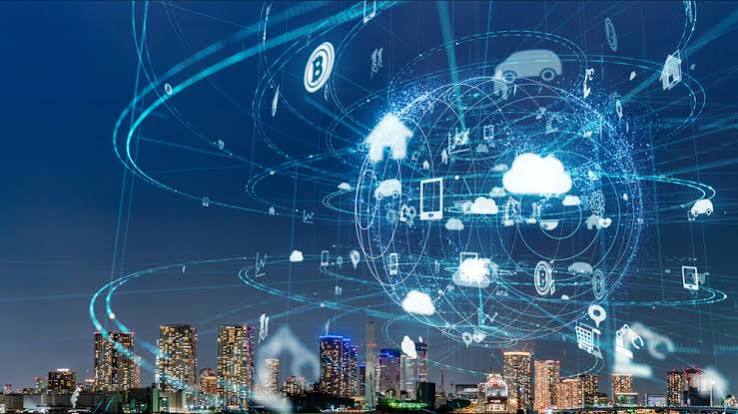
Technology has transformed the way people communicate, work, learn, and interact with the world around them. Connected technologies are now becoming a central part of everyday life, linking devices, systems, businesses, and communities through advanced networks. From smart homes and wearable devices to artificial intelligence and the Internet of Things (IoT), connectivity is creating new opportunities for innovation and efficiency. Businesses and individuals are increasingly exploring digital solutions, including platforms such as https://singatoto.co/, that represent the growing influence of online ecosystems in modern society.
The future of connected technologies is expected to bring even deeper integration between humans and machines. As networks become faster and smarter, devices will communicate more effectively, allowing automated systems to make decisions, improve services, and enhance user experiences. This evolution is not just about connecting more devices; it is about creating intelligent environments where technology works seamlessly to support human needs.
The Evolution of Connected Technologies
Connected technology has developed significantly over the past few decades. Early digital connections were limited to basic communication systems, but advancements in networking, cloud computing, and mobile technology have expanded connectivity across multiple industries.
The introduction of smartphones changed how people accessed information and interacted with digital services. Today, billions of devices are connected globally, including smartphones, smart appliances, vehicles, industrial machines, and healthcare equipment. These devices collect and exchange data, enabling faster communication and improved decision-making.
The next phase of connected technology will focus on creating more intelligent and autonomous systems. Instead of simply transferring information, future devices will analyze data, predict user behavior, and respond automatically to changing conditions.
The Role of the Internet of Things (IoT)
The Internet of Things is one of the most important developments shaping the future of connectivity. IoT refers to a network of physical devices equipped with sensors, software, and connectivity features that allow them to exchange data.
Smart homes are a common example of IoT technology. Homeowners can control lighting, security systems, temperature settings, and appliances through connected devices. These systems improve convenience, energy efficiency, and security by allowing users to manage their homes remotely.
In industries, IoT technology is improving production processes through real-time monitoring and automation. Manufacturing companies use connected machines to track performance, identify problems, and reduce downtime. Similarly, agriculture uses smart sensors to monitor soil conditions, weather patterns, and crop health, helping farmers make better decisions.
As IoT continues to expand, more devices will become connected, creating smarter cities, businesses, and communities.
Artificial Intelligence and Connected Systems
Artificial intelligence (AI) is playing a major role in advancing connected technologies. While connectivity allows devices to share information, AI enables these systems to understand and use that information effectively.
AI-powered connected devices can learn from user behavior and improve their performance over time. For example, smart assistants can recognize voice commands, recommend actions, and automate daily tasks. In healthcare, AI-connected systems can analyze patient data, monitor health conditions, and support medical professionals with accurate insights.
The combination of AI and connectivity will create more adaptive environments. Future systems may automatically adjust according to individual preferences, environmental conditions, and changing requirements without requiring constant human control.
The Impact of 5G and Future Networks
High-speed networks are essential for the growth of connected technologies. The introduction of 5G has improved connection speed, reduced delays, and increased the ability to support large numbers of connected devices.
5G technology is helping industries develop advanced applications such as autonomous vehicles, remote healthcare services, and smart infrastructure. For example, self-driving vehicles require fast and reliable communication between vehicles, sensors, and road systems to operate safely.
Future generations of networks will provide even greater speed and reliability. These advanced networks will support technologies that require instant communication, enabling innovations that were previously impossible.
Smart Cities and Connected Infrastructure
The concept of smart cities is becoming a reality as governments and organizations adopt connected technologies to improve urban living. Smart cities use digital systems to manage transportation, energy, public services, and environmental resources.
Connected traffic systems can analyze road conditions and reduce congestion by adjusting signals based on real-time data. Smart energy networks can optimize electricity usage and support renewable energy solutions. Connected waste management systems can improve collection efficiency and reduce environmental impact.
As urban populations continue to grow, connected infrastructure will play a critical role in creating sustainable and efficient cities.
The Future of Healthcare Through Connectivity
Healthcare is one of the sectors that will benefit greatly from connected technologies. Wearable devices and remote monitoring systems are allowing patients and doctors to access health information more easily.
Smart watches and health trackers can monitor activities such as heart rate, sleep patterns, and physical movement. These devices provide valuable information that can help individuals maintain healthier lifestyles.
In the future, connected healthcare systems may enable more personalized treatments. AI-powered platforms could analyze medical data to identify risks earlier and recommend suitable solutions. Remote healthcare services will also become more accessible, allowing patients to receive medical support regardless of location.
Security Challenges in a Connected Future
While connected technologies offer many benefits, they also create new security challenges. As more devices become connected, the risk of cyber threats increases. Protecting personal information and maintaining secure networks will become essential.
Cybersecurity solutions must continue evolving to protect connected systems from unauthorized access, data breaches, and other digital threats. Manufacturers and organizations will need to prioritize security during the development of new technologies.
Users will also need greater awareness of digital safety practices. Strong passwords, regular updates, and careful management of connected devices can help reduce security risks.
The Importance of Data in Connected Technologies
Data is the foundation of modern connected systems. Every connected device generates information that can be analyzed to improve performance and create better experiences.
Businesses use data from connected technologies to understand customer preferences, improve operations, and develop innovative services. Governments use data analysis to improve public services and make informed decisions.
In the future, data management will become even more important. Organizations will need advanced tools to collect, process, and protect large amounts of information while respecting privacy regulations.
The Growth of Edge Computing
Edge computing is another technology that will shape the future of connectivity. Instead of sending all data to distant cloud servers, edge computing processes information closer to where it is generated.
This approach reduces delays and improves efficiency, making it ideal for applications that require immediate responses. Autonomous vehicles, industrial automation, and smart healthcare devices can benefit from faster data processing through edge computing.
As connected systems become more complex, edge computing will help maintain speed, reliability, and performance.
Human Interaction With Future Technologies
The future of connected technologies is not only about machines communicating with each other; it is also about improving human experiences. Technology will continue becoming more natural and easier to use.
Voice control, gesture recognition, augmented reality, and artificial intelligence will create new ways for people to interact with digital systems. These advancements will make technology more accessible and useful across different areas of life.
However, maintaining a balance between technology and human interaction will remain important. Connected systems should support people rather than replace meaningful human connections.
Sustainable Benefits of Connected Technologies
Connected technologies can contribute to a more sustainable future by improving resource management. Smart systems can reduce energy consumption, minimize waste, and support environmentally friendly practices.
For example, smart buildings can automatically adjust lighting and heating based on occupancy, reducing unnecessary energy use. Connected transportation systems can improve efficiency and reduce emissions.
As climate concerns continue to grow, technology-driven solutions will become increasingly important for creating sustainable communities.
What the Future Holds for Connected Technologies
The future of connected technologies will be defined by greater intelligence, automation, and integration. Devices will become more capable of understanding their environments and working together to solve problems.
Emerging technologies such as artificial intelligence, advanced networks, IoT, and edge computing will continue driving innovation across industries. Businesses that adapt to these changes will have opportunities to improve efficiency, create better services, and remain competitive.
Consumers will experience a world where technology becomes more personalized and responsive. From homes and workplaces to healthcare and transportation, connected systems will influence nearly every aspect of modern life.
Conclusion
Connected technologies are shaping a future where digital systems, devices, and people work together more effectively. The combination of faster networks, artificial intelligence, IoT, and advanced computing will create smarter environments and new possibilities.
Although challenges such as cybersecurity and privacy must be addressed, the benefits of connected technologies are significant. By developing secure, sustainable, and human-focused solutions, society can use connectivity to improve everyday experiences and build a more efficient future.
The journey toward a fully connected world has already begun, and continued innovation will determine how technology transforms the way people live and interact in the years ahead.