
Introduction
Digital entertainment has transformed the way people consume content, interact with media, and connect with the world. From traditional television and cinema to streaming platforms, online gaming, virtual experiences, and interactive content, technology continues to redefine entertainment possibilities. The rapid growth of artificial intelligence, virtual reality, augmented reality, and advanced digital platforms is creating a future where entertainment becomes more personalized, immersive, and accessible than ever before. As audiences continue to seek new and engaging experiences, digital entertainment is entering an exciting era of innovation. Platforms such as https://luxury12a5.com/ represent the growing presence of online entertainment solutions that reflect changing user expectations and digital trends.
The Evolution of Digital Entertainment
Over the past few decades, entertainment has moved from physical formats to completely digital ecosystems. CDs, DVDs, and traditional broadcast systems have gradually been replaced by online streaming, cloud-based services, and mobile applications. Consumers now have instant access to movies, music, games, live events, and social experiences from almost anywhere.
The rise of smartphones and high-speed internet has played a major role in this transformation. People no longer need to rely on fixed schedules or specific locations to enjoy entertainment. Instead, digital platforms allow users to choose what they want to watch, listen to, or experience whenever they want. This shift has created a more flexible and user-focused entertainment environment.
Artificial Intelligence and Personalized Experiences
Artificial intelligence is becoming one of the most influential technologies shaping the future of digital entertainment. AI systems can analyze user preferences, viewing habits, and online behavior to deliver personalized recommendations. Streaming services, gaming platforms, and content applications are already using AI to suggest movies, songs, and games based on individual interests.
In the future, AI will become even more advanced by creating customized entertainment experiences. Instead of simply recommending content, AI may help generate personalized stories, characters, music, and interactive environments designed specifically for individual users.
AI-powered tools are also changing content production. Filmmakers, game developers, and digital creators can use artificial intelligence to improve animation, create realistic visual effects, and speed up creative processes. This technology will allow creators to produce more innovative content while reducing production challenges.
The Growth of Virtual and Augmented Reality
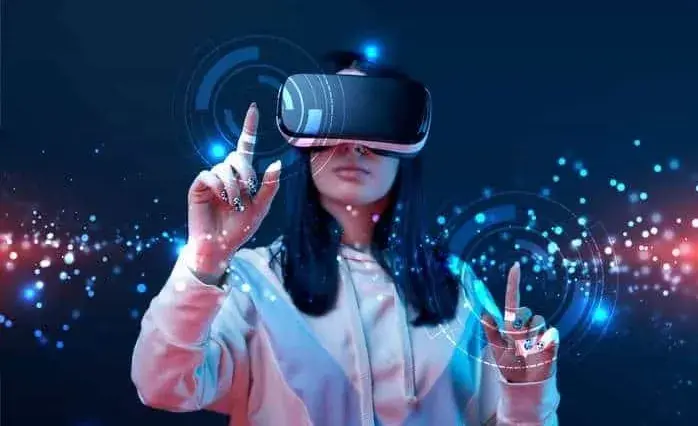
Virtual reality (VR) and augmented reality (AR) are expected to play a significant role in the future of entertainment. These technologies allow users to move beyond traditional screens and enter immersive digital worlds.
Virtual reality can transport audiences into completely different environments, allowing them to experience games, concerts, educational programs, and storytelling in new ways. Instead of watching a character’s journey, users can become part of the experience.
Augmented reality combines digital elements with the real world, creating opportunities for interactive entertainment. AR applications can enhance live events, sports experiences, shopping, and social interactions by adding digital information and visual effects to everyday environments.
As VR and AR hardware become more affordable and advanced, these technologies are likely to become common parts of daily entertainment routines.
The Future of Streaming Platforms
Streaming has already changed the entertainment industry, and its influence will continue to grow. Traditional media companies are investing heavily in digital platforms because audiences increasingly prefer convenient, on-demand access to content.
Future streaming services are expected to offer more interactive features, improved video quality, and greater personalization. Viewers may have the ability to influence storylines, select different perspectives, or participate directly in digital experiences.
Cloud technology will also improve streaming by allowing users to access high-quality entertainment without requiring expensive hardware. Faster internet connections and improved network infrastructure will make it easier to enjoy advanced content across multiple devices.
Interactive Storytelling and User Participation
One of the most exciting developments in digital entertainment is the growth of interactive storytelling. Unlike traditional entertainment, where audiences passively watch content, interactive experiences allow users to make choices that influence outcomes.
Video games have already introduced this concept through open-world environments and decision-based narratives. In the future, movies, series, and digital experiences may adopt similar approaches, allowing audiences to shape stories according to their preferences.
This shift will create a deeper emotional connection between audiences and entertainment. Users will no longer simply consume content; they will actively participate in creating their own experiences.
The Expansion of Online Gaming
Gaming has become one of the largest sectors of digital entertainment and continues to grow worldwide. Modern games offer realistic graphics, online communities, competitive experiences, and social interaction.
The future of gaming will likely focus on cloud gaming, artificial intelligence, and immersive technologies. Cloud gaming will allow players to access advanced games without needing powerful devices, while AI will create smarter characters and more dynamic environments.
Additionally, virtual worlds and digital communities will continue expanding. Online gaming platforms are becoming social spaces where people meet, communicate, attend events, and build digital identities.
The Role of Social Media in Entertainment
Social media has changed how entertainment content is created, shared, and discovered. Short videos, live streams, and user-generated content have become major sources of entertainment for millions of people.
In the future, social platforms will continue evolving into complete entertainment ecosystems. Creators will have more tools to produce professional-quality content, while audiences will experience more direct interaction with entertainers and communities.
The relationship between creators and audiences will become more connected, allowing fans to participate in trends, events, and digital experiences in real time.
The Impact of Blockchain and Digital Ownership
Blockchain technology may also influence the future of digital entertainment by changing how digital content is owned and distributed. Digital assets, virtual items, and creator-based economies are becoming increasingly important in online environments.
Blockchain systems can provide new opportunities for creators by allowing them to maintain ownership of their work and develop alternative income models. Users may also gain more control over digital items they purchase or collect within online platforms.
Although the technology is still developing, it has the potential to reshape relationships between creators, companies, and audiences.
Challenges Facing Digital Entertainment
Despite its exciting possibilities, the future of digital entertainment also comes with challenges. Privacy concerns, cybersecurity risks, digital addiction, and content quality are important issues that need attention.
As entertainment becomes more personalized, companies must ensure that user data is protected responsibly. Creating a balance between technology and healthy digital habits will also become increasingly important.
Another challenge is maintaining creativity in an environment where automated tools and artificial intelligence play larger roles. Human imagination and originality will remain essential for producing meaningful entertainment experiences.
The Importance of Innovation and Accessibility
The future of digital entertainment will depend on continuous innovation and accessibility. Technology should not only create advanced experiences but also make entertainment available to wider audiences.
Affordable devices, improved internet access, and inclusive design will help more people participate in digital entertainment. Companies that focus on user-friendly experiences and creative solutions will be better positioned for long-term success.
What the Future Audience Can Expect
Future audiences can expect entertainment to become more immersive, interactive, and personalized. Instead of choosing from a limited selection of content, users may experience entertainment environments designed around their interests and preferences.
Movies may become interactive journeys, concerts may include virtual participation, and games may develop into complete digital worlds. The boundaries between entertainment, communication, and social interaction will continue to become less defined.
Technology will continue expanding creative possibilities, giving both creators and audiences new ways to experience digital content.
Conclusion
The future of digital entertainment is filled with opportunities driven by innovation, technology, and changing consumer expectations. Artificial intelligence, virtual reality, augmented reality, streaming advancements, and interactive experiences are creating a new generation of entertainment that is more engaging and personalized.
As digital platforms continue evolving, entertainment will become more connected to everyday life. The next era will not only focus on watching or listening but on participating, creating, and experiencing content in completely new ways. With continuous technological progress, digital entertainment will remain one of the most dynamic and influential industries shaping the future.