
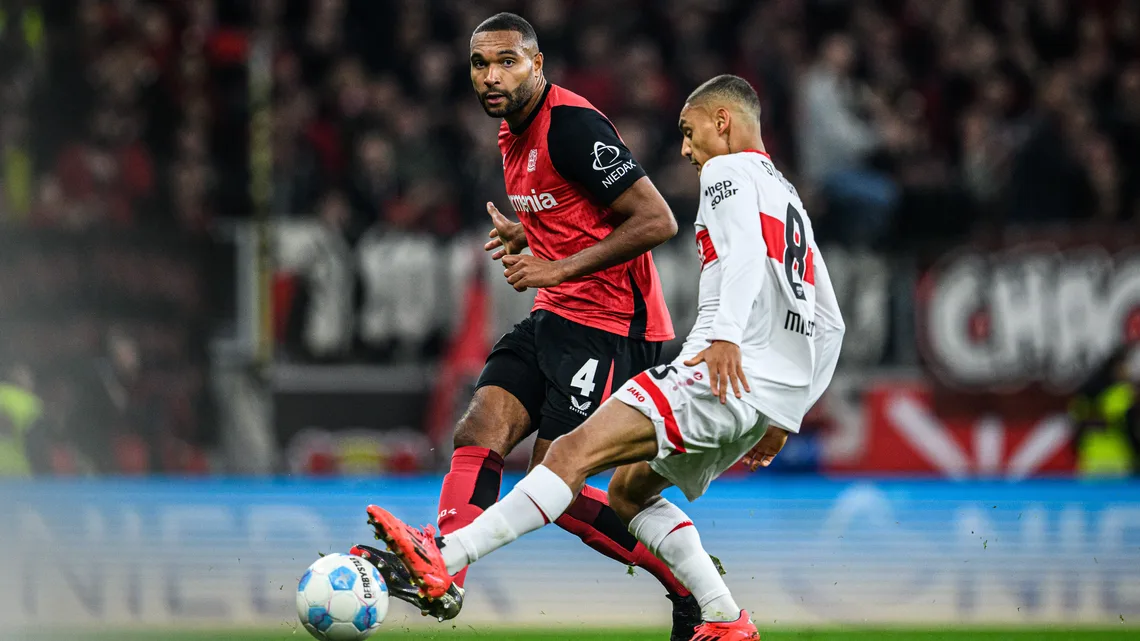
Bundesliga derbies in 2024/25 compress history, emotion and media noise into 90 unpredictable minutes, which often breaks clean statistical expectations. For bettors, the skill is separating genuine derby-specific tendencies from hype, and deciding where the risk–reward profile justifies involvement rather than treating these fixtures as normal league games.
Why derby dynamics change the betting equation
Derbies carry extra psychological weight for players, coaches and fans, which alters behaviour compared with standard fixtures. Historical rivalry, local bragging rights and intense atmospheres push underdogs to perform beyond season norms, while favourites can tighten up under pressure, reducing the reliability of form-based predictions. As a result, markets anchored on league position and recent results alone can misjudge both volatility and the likely distribution of outcomes in these matches.
Which 2024/25 Bundesliga derbies matter most?
The 2024/25 calendar combines classic high-profile clashes and shorter-distance rivalries that still behave like derbies. Der Klassiker between Bayern Munich and Borussia Dortmund remains the flagship rivalry, scheduled for Matchday 12 in Dortmund and later in Munich, with title-race implications layered over emotional intensity. The Rhine derby between Bayer Leverkusen and Borussia Mönchengladbach opens the champions’ defence on Matchday 1 and returns in January, while the “mini Revierderby” between Dortmund and Bochum taps into Ruhr-area passion even if it lacks Schalke’s historical weight. Each of these fixtures fuses strong narratives with local identity, making them focal points for both fans and betting markets.
How emotion reshapes risk and decision-making on the pitch
Emotional load in derbies can change how players approach duels, shots and passes, particularly in marginal situations. Research and tactical observation across major leagues show that derbies often feature reduced composure in front of goal and tighter, more aggressive defending, which can lower the number of clear scoring chances compared with usual games. At the same time, pride and crowd pressure can drive more last-ditch blocks, high pressing and risky tackles, increasing the likelihood of fouls, bookings and momentum swings that are hard to infer from standard season averages.
When intensity leads to fewer chances rather than more goals
It is easy to assume that emotional matches produce goal-fests, but data suggests a more nuanced pattern. Studies of derby-type matches in other top leagues found that shot volumes into the final third often drop, with teams prioritising defensive solidity and avoiding mistakes over expansive attacking play. In that context, the intensity expresses itself more through physical duels and fouls than through free-flowing chance creation, which means bettors who blindly back overs based on “passion” risk misreading how that passion actually manifests during 90 minutes.
Odds interpretation: how markets price derbies differently
Pre-match prices in high-profile derbies frequently compress compared with equivalent non-derby fixtures between the same teams. Strong favourites are often priced a little more cautiously, reflecting the frequency of upsets and narrow scorelines when emotions level the playing field. Meanwhile, markets for draws, double-chance and handicaps on underdogs can be more generous because the public tends either to chase the big name or to overreact to derby narratives without quantifying how often these matches end tight. Recognising this tendency helps bettors decide whether the favourite’s short price actually compensates for derby volatility or merely reflects brand power.
When trying to convert this into practical choices, some bettors use a sports betting service like ufabet เว็บตรงไม่ผ่านเอเย่นต์ as a reference point for how strongly a given derby’s narrative has influenced pricing. If a favourite’s odds are shorter than their underlying metrics justify while the underdog’s double-chance price remains relatively high, it may indicate that emotional money has compressed the market around the big name, creating room for those willing to back the less fashionable side in anticipation of a closer-than-expected contest.
Strategic focus areas: what to prioritise before kick-off
Because derbies are structurally different, serious punters benefit from a structured checklist that filters out noise and channels attention into measurable factors. Instead of treating every rivalry the same, the focus should fall on how specific matchups historically behave and how current tactical setups might reinforce or weaken those tendencies.
Key pre-match focus areas for Bundesliga derby betting:
- Historical volatility: frequency of draws and one-goal margins in recent derbies between the clubs.
- Card and foul patterns: whether past meetings consistently produce high booking counts or occasional red cards.
- Tactical match-up: whether one coach tends to adopt a conservative or aggressive approach in these fixtures.
- Psychological direction: which side carries more pressure—title-chasing favourite or survival-focused underdog?
- Market movement: how odds have shifted since opening, especially if media build-up has favoured one narrative.
Using these lenses together helps refine which markets to attack. For example, frequent draws and low shot counts may steer decisions toward unders or draw/double-chance, while consistently high card numbers and red-card histories justify more attention to bookings markets instead of outright results.
Table: derby market types and when they make sense
Different derby profiles reward different betting angles, so mapping fixture characteristics to market types clarifies where focus should be. The following table summarises typical derby traits and the markets they tend to support.
| Derby profile | Common match traits | Markets that often align |
| Tight, historically low-scoring rivalry | Few big chances, cautious first halves, many one-goal games | Unders, draw, double chance on underdog |
| Physically intense, card-heavy encounters | High foul counts, frequent bookings, occasional reds | Total cards over, specific player cards, “red card in match” |
| High-tempo attacking derby | Open play, both teams pressing, frequent transitions | BTTS, over 2.5 goals, first-half goals markets |
| Big favourite vs fired-up underdog | Quality gap but elevated underdog motivation | Underdog + handicap, draw no bet, avoiding heavy favourite moneyline |
This structure helps bettors avoid treating “derby” as a single category. A Klassiker shaped by title pressure and tactical caution may be better approached through low-goal or draw-related markets, while a more open Rhine derby with recent high-scoring trends could justify attack-focused bets—provided that current-season tactics still match historical patterns.
Live-game reading: how in-play dynamics differ in derbies
In-play, derby matches often swing more sharply than regular fixtures because emotional spikes can rapidly change behaviour. Bursts of pressing triggered by crowd surges, flashpoints leading to bookings, or a single controversial decision can tilt control from one side to the other in ways that pre-match numbers cannot fully capture. Early minutes are especially revealing: whether teams start frantically or cautiously indicates which of the historical patterns—explosive or cagey—is actually unfolding this time.
For bettors following via a casino online website that updates live odds, this means that the first 15–20 minutes hold disproportionate informational value. If a derby expected to be tight instead features wide-open transitions and multiple big chances, live goal or BTTS markets may become more attractive than they appeared before kick-off; if both teams drop deep and prioritise avoiding mistakes, unders and draw-oriented positions can gain appeal despite pre-game expectations of chaos.
Where derby narratives can mislead bettors
Derbies are fertile ground for cognitive bias because stories are stronger than statistics. Overvaluing recent upsets can lead to chronic underestimation of favourites, while blindly trusting that “form goes out the window” can cause bettors to ignore cases where structural quality and tactical superiority still dominate. Media build-up also tends to amplify one side’s situation—crisis narratives, revenge angles or celebrations of form—pushing public money in the same direction and sometimes distorting prices away from true probability.
Another error is assuming that all derbies behave identically. Some rivalries do produce repeated upsets and combative, low-scoring games; others, especially when one team is tactically superior and emotionally stable, lean toward more predictable outcomes despite the atmosphere. Without distinguishing between these contexts, bettors risk either overpricing chaos or missing out on situations where the market has overcompensated for rivalry effects that are not as strong as the narrative suggests.
Summary
In the 2024/25 Bundesliga, derby matches such as Der Klassiker, the Rhine derby and Ruhr-area clashes compress emotion, history and tactical caution into fixtures that behave differently from standard league games. Rivalries amplify home advantage, increase disciplinary volatility and often reduce clean chance creation, which shifts value toward specific markets—draws, handicaps on underdogs, cards and sometimes unders—rather than straightforward favourite wins. For serious bettors, the key is to map each derby’s unique profile, track how odds react to narrative pressure and use live-game behaviour to confirm or challenge pre-match hypotheses, turning high-emotion fixtures into structured opportunities instead of coin-flip gambles.