
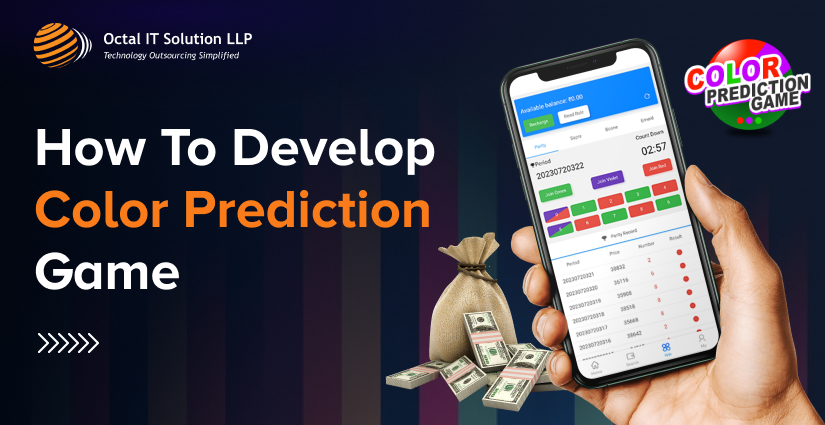
Online color prediction games have become a global phenomenon, attracting players from diverse regions and backgrounds. These games, built on simple mechanics of predicting color outcomes, combine entertainment with the thrill of chance. While the concept remains consistent across platforms like goa games, the way these games are presented, monetized, and regulated varies significantly depending on the region and operator. Comparing global platforms offering online color prediction games reveals differences in user experience, accessibility, security, and responsible gaming practices. Such comparisons are essential for understanding how cultural, technological, and regulatory contexts shape the industry.
User Experience and Interface Design
One of the most noticeable differences among global platforms is the quality of user experience and interface design. Platforms in technologically advanced regions often prioritize sleek, responsive designs that adapt seamlessly to mobile devices. They invest heavily in graphics, animations, and intuitive navigation to keep users engaged. In contrast, platforms in emerging markets may focus more on functionality than aesthetics, ensuring that games run smoothly even on devices with limited processing power. The emphasis on user experience reflects both the expectations of local audiences and the technological infrastructure available in each region.
Accessibility and Market Reach
Global platforms differ in how they make their games accessible to users. In regions with widespread smartphone penetration and affordable internet, color prediction games are easily accessible through mobile apps and web browsers. Platforms in these areas often integrate social features, allowing players to share results or compete with friends. In markets where internet access is less reliable, platforms may offer lightweight versions of their games that consume minimal data. Accessibility also extends to language support, with global platforms tailoring their content to local languages and cultural preferences to broaden their reach.
Monetization Strategies
Monetization models vary widely across global platforms. In some regions, direct wagering remains the dominant model, with players depositing funds and betting on outcomes. Other platforms adopt freemium models, offering free gameplay with optional paid upgrades or bonuses. Subscription-based models are also common in markets where users prefer predictable costs and premium features. Advertising and sponsorships play a significant role in certain regions, where platforms generate revenue by partnering with brands. These differences highlight how economic conditions and consumer behavior influence monetization strategies across the globe.
Security and Fairness
Security and fairness are critical factors that distinguish global platforms. In regions with strict regulatory oversight, platforms are required to implement advanced encryption, secure payment gateways, and transparent random number generators to ensure fairness. Players in these markets benefit from higher levels of trust and confidence in the system. In contrast, platforms operating in less regulated environments may face challenges in maintaining transparency, leading to skepticism among users. The global comparison underscores the importance of regulatory frameworks in shaping the credibility of color prediction platforms.
Responsible Gaming Practices
Responsible gaming features are increasingly emphasized across global platforms, though their implementation varies. Platforms in regions with strong consumer protection laws often provide tools such as self-exclusion, deposit limits, and reminders to promote healthy gaming habits. They also collaborate with support organizations to assist players who may be struggling with addiction. In markets where regulation is less stringent, responsible gaming practices may be minimal or absent, placing greater responsibility on players to manage their behavior. The contrast highlights the role of regulation and corporate responsibility in safeguarding users.
Cultural Influence on Gameplay
Cultural differences also shape how color prediction games are perceived and played across global platforms. In some regions, these games are viewed primarily as entertainment, with players engaging casually for fun. In others, they are seen as opportunities for financial gain, leading to more intense participation. Cultural attitudes toward risk, chance, and gambling influence how platforms market their games and how players interact with them. Understanding these cultural nuances is essential for platforms seeking to expand into new markets.
Future Trends in Global Platforms
As technology continues to evolve, global platforms offering color prediction games are likely to converge in certain areas while maintaining regional distinctions. Advances in artificial intelligence, mobile optimization, and blockchain technology may enhance fairness, personalization, and security across platforms. At the same time, regulatory differences and cultural preferences will ensure that diversity remains a defining characteristic of the industry. The future of global color prediction platforms lies in balancing innovation with local adaptation, creating experiences that resonate with players worldwide.
Conclusion
Comparing global platforms offering online color prediction games reveals a complex landscape shaped by technology, regulation, culture, and economics. While the core gameplay remains consistent, differences in user experience, accessibility, monetization, security, and responsible gaming practices highlight the diversity of approaches across regions. These comparisons demonstrate that color prediction games are not just digital entertainment but reflections of broader societal contexts. As platforms continue to evolve, understanding these global variations will be crucial for both operators and players, ensuring that the industry grows responsibly and inclusively.