
A Clear First Impression That Sets the Tone for Everything
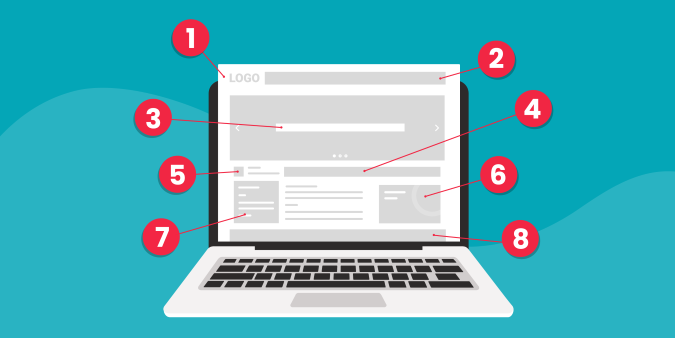
The homepage is where expectations are formed, and a good design makes that moment feel effortless. From the first glance, users should understand what the platform offers and how to move around without thinking too hard. This is especially important for new visitors who want quick answers, not long explanations. In the case of OPEN88, the homepage structure focuses on clarity, balance, and ease of access rather than visual overload. Sections are arranged logically, spacing feels intentional, and key actions are easy to spot. All of this reduces friction and helps users settle in quickly. A strong first impression is not about being flashy. It is about being understandable and calm, which builds trust before a single click goes deeper.
What makes a strong first impression
- A clean layout that avoids clutter and confusion
- Clear labels that explain where each link leads
- Visual balance between text, icons, and open space
- Immediate access to main features without scrolling too far
Layout Design That Supports Natural User Flow
A homepage works best when it follows how people naturally scan a page. Most users move from top to bottom and left to right, looking for familiar cues. A thoughtful layout guides the eye instead of forcing it. The design here uses predictable placement for menus, banners, and content blocks, which lowers the learning curve. Instead of hiding features behind multiple layers, the layout brings them forward in a sensible order. This helps users move from discovery to action without hesitation. When the structure feels natural, users stay longer and explore more, even if they did not plan to at first.
Layout elements that improve flow
- A top navigation bar that stays consistent across pages
- Featured sections placed where the eye naturally pauses
- Clear separation between content areas
- Logical grouping of related tools and links
Navigation Tools That Reduce Guesswork
Navigation is not just about menus. It is about confidence. When users click something, they want to know where they will end up. A well-designed homepage removes doubt by using familiar patterns and clear wording. Drop-down menus are simple, links are descriptive, and important pages are never more than a few clicks away. This approach respects the user’s time. Instead of experimenting or backtracking, users can move with purpose. Over time, this creates a sense of control that keeps people coming back.
Navigation features that matter most
- Clearly named menu items with no vague labels
- Logical submenus that do not feel crowded
- Easy access to help or support sections
- Consistent navigation behavior on all devices
Personalization Features That Make the Experience Feel Tailored
A homepage becomes more useful when it adapts to the user. Personalization does not need to be complex to be effective. Simple adjustments based on preferences or past behavior can make a big difference. When users see relevant content first, they spend less time searching and more time engaging. This kind of personalization feels helpful, not intrusive. It signals that the platform understands returning users and values their time. Over time, these small touches add up to a smoother and more enjoyable experience.
Examples of helpful personalization
- Recently viewed sections shown upfront
- Saved preferences applied automatically
- Recommended features based on usage patterns
- Quick access to frequently used tools
Performance and Speed That Keep Users Engaged
Even the best design fails if the homepage is slow. Speed is part of the user experience, not a technical detail hidden in the background. Fast loading times make the platform feel reliable and professional. Pages that respond quickly encourage exploration, while delays push users away. A streamlined homepage focuses on performance by keeping elements optimized and avoiding unnecessary complexity. This ensures that users on different devices and connections still get a smooth experience.
Performance factors that improve usability
- Optimized images that load quickly
- Minimal scripts running in the background
- Responsive design that adapts smoothly to screen size
- Stable performance during peak usage times
Mobile Responsiveness and the Role of the Homepage
More users access platforms through mobile devices than ever before. A homepage must feel just as usable on a small screen as it does on a desktop. Responsive design ensures that content adjusts without losing clarity or function. Buttons remain easy to tap, text stays readable, and navigation stays intuitive. When users open the trang chủ open88 on a phone, they should not feel limited or frustrated. A strong mobile experience shows that the platform respects modern usage habits and designs with real-world behavior in mind.
Mobile-friendly design essentials
- Touch-friendly buttons with enough spacing
- Text that scales properly on smaller screens
- Menus that collapse neatly without hiding features
- Consistent performance across different devices
Security Awareness and User Confidence
Trust begins on the homepage. Users look for subtle signs that a platform takes security seriously, even if they are not thinking about it consciously. Clear links to policies, visible account controls, and transparent messaging all contribute to confidence. A homepage that communicates safety without sounding alarmist strikes the right balance. When users feel secure, they are more willing to explore features and invest their time.
Signals that build user trust
- Easy access to privacy and security information
- Clear account management options
- Transparent explanations of data use
- Consistent visual cues that suggest reliability
Conclusion and Final Thoughts on Creating a Smooth, Confident, and User-Focused Homepage Experience
A homepage is not just an entry point. It is the foundation of the entire online experience. When design, navigation, performance, and responsiveness work together, users feel supported rather than challenged. Each feature discussed plays a role in reducing friction and increasing confidence. A seamless experience does not happen by accident. It comes from thoughtful choices that prioritize real user behavior. By focusing on clarity, speed, personalization, and trust, a homepage can become a place users return to without hesitation.
Key takeaways to remember
- Simplicity and clarity outperform visual excess
- Natural navigation builds confidence and saves time
- Performance and mobile design are non-negotiable
- Trust is established through transparency and consistency